









Dental implants offer a modern solution for those looking to replace missing teeth, offering a combination of durability, functionality, and aesthetic appeal that other dental prosthetics simply cannot match. Whether you’re an adult considering your options or a senior looking to improve your quality of life, this comprehensive guide to dental implants will provide you with the essential information you need to make an informed decision.
Understanding Dental Implants
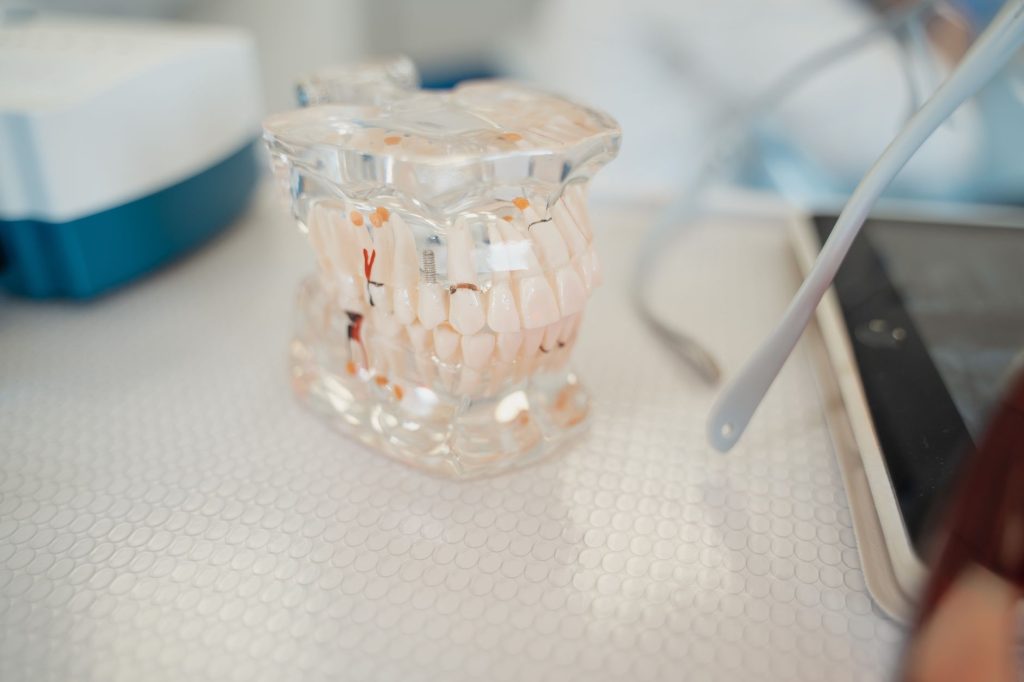
Dental implants are titanium posts surgically implanted into the jawbone, where they serve as a sturdy anchor for replacement teeth. Thanks to their design and the biocompatible nature of titanium, implants fuse with the jawbone in a process known as osseointegration, providing a permanent foundation for prosthetic teeth.
The Benefits of Dental Implants
Dental implants have been studied for decades, including a landmark 1981 study by Adell and colleagues in the International Journal of Oral & Maxillofacial Implants which followed implant patients over many years. How long an implant lasts depends on your own gum health, whether you smoke and how well it is cleaned. Benefits include:
- Improved Oral Health: Unlike bridges, implants do not require altering adjacent teeth, preserving more of your natural tooth structure.
- Enhanced Comfort and Convenience: Implants eliminate the discomfort and inconvenience of removable dentures.
- Better Eating and Speaking: Implants function like natural teeth, allowing for easier eating and clearer speech.
- Durability and Reliability: With proper care, implants can last many years.
Are You a Candidate for Dental Implants?
Candidates for dental implants typically have one or more missing teeth, possess good oral and general health, and have sufficient jawbone density to support the implant. Smokers, those suffering from uncontrolled chronic disorders (such as diabetes or heart disease), and patients who have undergone radiation therapy to the head/neck area need to be evaluated on an individual basis.
The Dental Implant Process Explained
The process of getting dental implants involves several steps, usually completed over a few months:
- Initial Consultation: An evaluation of your oral health and bone density to determine implant candidacy.
- Implant Placement: The implant post is surgically inserted into the jawbone.
- Healing and Osseointegration: The bone heals around the implant, a process that can take several months.
- Abutment and Prosthesis Placement: Once healed, an abutment is fitted onto the implant, and the artificial tooth (crown) is attached.
Caring for Your Dental Implants
Caring for implants is similar to caring for natural teeth, involving regular brushing, flossing, and dental check-ups. The Academy of Osseointegration provides comprehensive guidelines on the maintenance of dental implants, emphasising the importance of oral hygiene and regular dental visits to ensure the longevity of your implants.
Cost and Considerations
The cost of dental implants can vary widely depending on geographical location, the experience of the dentist, and the number of implants required. While initially more expensive than other tooth replacement options, the durability and longevity of implants often make them a more cost-effective solution in the long run.
Research, such as that by Zitzmann & Hagmann (2008) in the International Journal of Prosthodontics, indicates that despite the higher upfront costs, the improvement in quality of life and psychological well-being can make dental implants an invaluable investment.
Discover the Smile You Deserve with Implants
Dental implants represent a significant advancement in dental technology, offering a lifelike, stable, and durable solution for those looking to replace missing teeth. By choosing dental implants, you’re not just investing in a to replacement teeth—you’re investing in your confidence, health, and overall well-being.
If you’re considering dental implants as a solution to missing teeth, speak with a dental professional who can provide a detailed assessment and help you understand whether this option is right for you. Together, you can work towards achieving the smile you deserve.
Reference list for further reading:
- Adell, R., et al. (1981). International Journal of Oral & Maxillofacial Implants.
- Misch, C.E. (2008). Contemporary Implant Dentistry. Elsevier Health Sciences.
- Zitzmann, N.U., & Hagmann, E. (2008). The impact of dental implants on quality of life. International Journal of Prosthodontics.
- American Dental Association (ADA). Dental Implants. https://www.ada.org/en/member-center/oral-health-topics/dental-implants
Before you decide
Placing dental implants is surgery and it carries risks, including infection at the implant site, nerve injury, sinus problems, implant failure and peri-implantitis. Results vary from person to person, and implants are not suitable for everyone. Whether implant treatment suits you can only be decided after an individual examination, and your dentist will explain the alternatives, which include a bridge, a conventional denture, or leaving things as they are. A second opinion is always reasonable. This is general information only and is not a substitute for advice about your own teeth from a registered practitioner.